
WEEKLY SCHEDULE
12:00 AM–8:00 AM
The After Zone
Island Vybe Playlist
Chill out tunes from around the world
8:00 AM–12:00 PM
Morning Melodies
Island Vybe Playlist
Wake up, stay up
12:00 PM–4:00 PM
Reggae Remedy
Selekta Barka
Mellow Vybes
4:00 PM–6:00 PM
Selection Sundays
Jeanius
RnB Vybez
6:00 PM–8:00 PM
Old School Sundays
Island Vybe
Back in Time
8:00 PM–10:00 PM
Tropical Blend
Island Vybe
Feel da flow
10:00 PM–12:00 AM
Late on ah Sunday
Island Vybe Playlist
Come an Vybes
12:00 AM–7:00 AM
The After Zone
Island Vybe Playlist
Chill out tunes
7:00 AM–9:00 AM
The Morning Vybes
Morning Vybes Crew
Wake up and Vibes
9:00 AM–12:00 PM
Top Of The Tops
Island Vybe Playlist
Your daily dose of hits
12:00 PM–3:00 PM
Round Table
Island Vybe Playlist
News from around the world
3:00 PM–6:00 PM
Noon-Tunes
Island Vybe Playlist
Relax and do it
6:00 PM–8:00 PM
Monday Evening
Island Vybe
Even if it's not Saturday night
8:00 PM–10:00 PM
Monday Madness
Island Vybe
Reggae Sounds
10:00 PM–12:00 AM
Cool Down Freestyle
Faada Finey
Old School
12:00 AM–2:00 AM
Night Shift
Island Vybe Playlist
Late night jams
7:00 AM–9:00 AM
The Morning Vybes
Morning Vybes Crew
Wake up and Vibes
9:00 AM–12:00 PM
Island Vybe
Island Vybe Playlist
Relax and do it
2:00 PM–4:00 PM
Kompa Blend
DJ Jstar
Haitian Vibes
6:00 PM–8:00 PM
The Turnup with Tremor
DJ TremorJayy
Timeless Music
8:00 PM–10:00 PM
Tipsy Tuesday
Island Vybe
Free Styles
10:00 PM–12:00 AM
Midnight Mood
Island Vybe Playlist
Jams
12:00 AM–7:00 AM
The After Zone
Island Vybe Playlist
Chill out tunes
7:00 AM–9:00 AM
The Morning Vybes
Morning Vybes Crew
Wake up and Vybe
12:00 PM–4:00 PM
Round Table
Island Vybe Playlist
News from around the world
6:00 PM–8:00 PM
After Work Lime
DJ Kirsh
Vibes after work
8:00 PM–9:00 PM
Mid Week Zess
DJ Short Man
Just Zess
10:00 PM–12:00 AM
Grown Folks Music
Island Vybe
New
12:00 AM–7:00 AM
Good Morning
Island Vybe Playlist
Good Vybz All Day
7:00 AM–9:00 AM
The Morning Vybes
Morning Vybes Crew
Wake up and Vybes
10:00 AM–1:00 PM
Get Ready Tunes
Island Vybe Playlist
Soca Vybes
1:00 PM–3:00 PM · ON AIR
Thursday Starter
Infamous 2 Tone
Good music
3:00 PM–5:00 PM
Next Level
Island Vybe Playlist
Island twist vybz
7:00 PM–8:00 PM
Truth Thursdays
Selekta Barka
Give Thanks
8:00 PM–10:00 PM
Thursday Night Zess
Island Vybe
New Vybez Always
10:00 PM–12:00 AM
Nuff Love
Island Vybe Playlist
Tuff love
12:00 AM–2:00 AM
The After Zone
Island Vybe Playlist
Chill out tunes
7:00 AM–9:00 AM
The Morning Vibes
Morning Vybes Crew
Wake up and Vybe
9:00 AM–11:00 AM
This is Friday
Island Vybe
Its Friday
1:00 PM–3:00 PM
Friday Starter
Infamous 2 Tone
Yessss
6:00 PM–7:00 PM
Afterwork Praise Network
Island Vybe
Gospel tunes
7:00 PM–9:00 PM
It's Fri-YaY Vibz
Island Vybe
Its Starts Now
9:00 PM–12:00 AM
Late Night Vybes
Island Vybe
Its late
12:00 AM–10:00 AM
The After Zone
Island Vybe Playlist
Chill out tunes
10:00 AM–12:00 PM
The Table Talk Show
Nikki G
Wake up, stay up
12:00 PM–2:00 PM
De Weekend Now Start
DJ Kirsh
Kush Kush
2:00 PM–4:00 PM
Soca Saturdays with a Twist
Island Vybe
St Lucia on Point
4:00 PM–6:00 PM
Soca Jamette
DJ Premadonna
The Ladies Hour
8:00 PM–10:00 PM
Sat Night Live
DJ Philatrini
Pre Party Vibes
10:00 PM–12:00 AM
Party Zone
Island Vybe Playlist
Non-stop dance tunes
LATEST NEWS
All Posts →LIVE STREAM
Thursday, 29 January 2026 18:28
From Calypso Monarch to Queen of Queens: Terri Lyons on the Corie Sheppard Podcast
Ananda/Sokah2Soca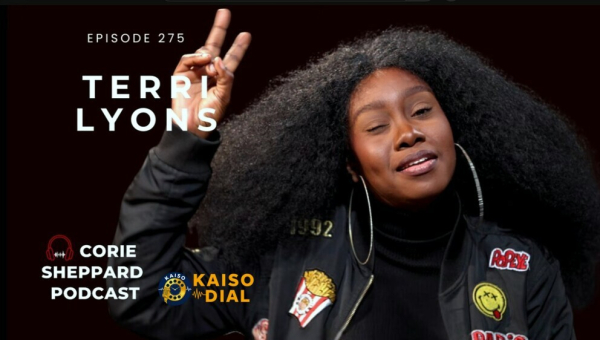
This post first appeared on Kaiso Dial, where Caribbean music meets wit, rhythm, and real talk. Island Vybe Radio spins the tunes—we decode the culture.
She is my favorite female vocalist out of Trinidad and across the Caribbean. I don't care what anyone has to say about that... just ask my friend, Gailos, aka Paramain Gail. She adorns Kaiso Dial's navigation Banner and today we think you will fall in love with Terri after watching this Corries Sheppard Podcast. So here goes...
Kaiso Dial shines a light on a powerful new episode of The Corie Sheppard Podcast, where Terri Lyons—Calypso Monarch, Queen of Queens, performer, and unapologetic cultural torchbearer—opens up in a conversation as expansive as her artistry. She is one hilarious lady, and we enjoyed every minute of this interview. She is revealing and an excellent storyteller. She calls it as she sees it: This is Terri at her most honest and grounded, reflecting on calypso’s legacy, its future, and the lived experiences that shaped her into one of Trinidad & Tobago’s most compelling voices. She has seen her fair share of tribulation, bru, made through those turbulent character-building times. Her wisdom goes beyond her youthful looks, speaking with clarity and conviction about representing T&T across the region, from Montserrat and the extended diaspora, and the weight of responsibility that comes with wearing the Queen of Queens crown (Four Time Consecutive Winner 2022, 2023, 2024, and 2025). We have said it here and Kaiso Dial posts prove it and now Terri challenges the narrative that calypso is “dying,” reminding us instead of its evolution, its endurance, and its unmatched power to connect people through story and spirit. Her reflections on performance discipline, crowd connection, and artistic purpose reveal the depth behind her commanding stage presence.
Corries came with questions; he is a very detailed interviewer, but Terri calmly answered the question with laughter, telling her truth, her story. The conversation also journeys into Terri’s early life in Port of Spain and Laventille—growing up without financial security, navigating loss, and transforming hardship into resilience and creative fire. She narrated a story of pain, crying at midnight at Nadia Batson's home; motherhood took its toll and she learned to survive through her troubled times. She learned financial discipline and the importance of staying authentic in an industry that often tries to shape artists into something they’re not.
And what about picong in Calypso? She was not mad when Chalkdust spoke out against 'Ask Yuh Man'... she considered it an opportunity, just as when her name was mentioned in Calypso... go to work and answer the call! Kaiso, kaiso. Yes, Kaiso!
This episode is a reminder of why Terri Lyons stands as one of the most important cultural figures of her generation: rooted, real, and relentlessly committed to the soul of calypso.
Kaiso Dial shines a light on a powerful new episode of The Corie Sheppard Podcast, where Terri Lyons—Calypso Monarch, Queen of Queens, performer, and unapologetic cultural torchbearer—opens up in a conversation as expansive as her artistry. She is one hilarious lady, and we enjoyed every minute of this interview. She is revealing and an excellent storyteller. She calls it as she sees it: This is Terri at her most honest and grounded, reflecting on calypso’s legacy, its future, and the lived experiences that shaped her into one of Trinidad & Tobago’s most compelling voices. She has seen her fair share of tribulation, bru, made through those turbulent character-building times. Her wisdom goes beyond her youthful looks, speaking with clarity and conviction about representing T&T across the region, from Montserrat and the extended diaspora, and the weight of responsibility that comes with wearing the Queen of Queens crown (Four Time Consecutive Winner 2022, 2023, 2024, and 2025). We have said it here and Kaiso Dial posts prove it and now Terri challenges the narrative that calypso is “dying,” reminding us instead of its evolution, its endurance, and its unmatched power to connect people through story and spirit. Her reflections on performance discipline, crowd connection, and artistic purpose reveal the depth behind her commanding stage presence.
Corries came with questions; he is a very detailed interviewer, but Terri calmly answered the question with laughter, telling her truth, her story. The conversation also journeys into Terri’s early life in Port of Spain and Laventille—growing up without financial security, navigating loss, and transforming hardship into resilience and creative fire. She narrated a story of pain, crying at midnight at Nadia Batson's home; motherhood took its toll and she learned to survive through her troubled times. She learned financial discipline and the importance of staying authentic in an industry that often tries to shape artists into something they’re not.
And what about picong in Calypso? She was not mad when Chalkdust spoke out against 'Ask Yuh Man'... she considered it an opportunity, just as when her name was mentioned in Calypso... go to work and answer the call! Kaiso, kaiso. Yes, Kaiso!
This episode is a reminder of why Terri Lyons stands as one of the most important cultural figures of her generation: rooted, real, and relentlessly committed to the soul of calypso.
Production Notes/Music Credits:
Corie Sheppard Podcast: Episode 275
Origin: Trinidad, Republic of Trinidad & Tobago.
Genre: Podcast Calypso Diva ?
Empowering Caribbean Creatives
We present the music here for your listening pleasure and promotional purposes only, adhering to the "Fair Use" Musical Content Copyright Disclaimer under Section 107 of the Copyright Act 1976. Kaiso Dial/Calypso Music Blog © 1990 by Santiwah is licensed under CC BY-SA 4.0. To view a copy of this license, visit https://creativecommons.org/licenses/by-sa/4.0/.
♫Please press the music player button below to listen now (small triangle in the Music player/TV Frame).
Published in
Blog
Wednesday, 28 January 2026 19:33
Closing of John Cupid Carnival Village 2026: Brass Bands
Ananda/Sokah2Soca
Dive deeper into Caribbean music and culture at Sokah2Soca — your go-to source for Soca, Calypso, and Carnival coverage. First published on Sokah2Soca, now streaming live via Island Vybe Radio.
John Cupid Carnival Village wraps up tonight with a final gift to the people—a free Brass Band showcase, streamed live via YouTube and WACK Visual Radio 90.1 FM. It’s a fitting finale for a cultural space that delivered night after night of live entertainment at no cost, giving the public a taste of Carnival’s heartbeat long before the big fetes take over.
The Village proved to be a total success, offering a rare stretch of free performances that highlighted talent, community, and pure Trinbago spirit. With its closing, the “free” cultural giveaway comes to an end, clearing the stage for the paid fetes and major promoters to step in. But make no mistake—John Cupid Carnival Village set the tone, teased the season beautifully, and reminded everyone what Carnival feels like when culture leads the way.
Let us spread awareness of the culture of the Caribbean diaspora.
We do this to promote Caribbean culture, musicians, and music producers. We are able to honor and promote the rich sounds and stories of the Caribbean thanks to your support. Together, we can ensure that this rich cultural legacy reaches a wider audience and fosters creativity and connections. While it is important to always purchase music, you should avoid sharing promotional music because doing so denies essential revenue to songwriters, producers, and artists. You can find all of our posts online on social media platforms like Facebook, YouTube, Instagram, Spotify, and SoundCloud. We recommend that you explore your favorite content on FeedSpot/RSS Feed, Threads, Bluesky, and Twitter/X, including email subscriptions. Thank you in advance.
Production Notes/Music Credits:
Event: Closing of John Cupid Carnival Village 2026
Tonight: Brass and more Brass
Broadcast Live Via YouTube: WACK Visual Radio 90.1 FM
Engineered (Mixed & Mastered) by:
Origin: Trinidad, Republic of Trinidad & Tobago.
Genre: Brass Bands ?
?Listen. Share. Amplify. Our artists embody culture not only during Carnival but also on a daily basis. Sokah2Soca—Where Rhythm Lives and Calypso, Steelband Music, and Soca are thriving!
We present the music here for your listening pleasure and promotional purposes only, adhering to the "Fair Use" Musical Content Copyright Disclaimer under Section 107 of the Copyright Act 1976. Sokah2Soca/Soca Music Blog © 1990 by Santiwah is licensed under CC BY-SA 4.0. To view a copy of this license, visit https://creativecommons.org/licenses/by-sa/4.0/.
♫Please click the small triangle button in the music player below to listen now.
Published in
Blog
Tuesday, 27 January 2026 20:32
From Mr. Walker to Mama Walker: When Calypso Echoes Through Modern Soca
Ananda/Sokah2Soca
This post first appeared on Kaiso Dial, where Caribbean music meets wit, rhythm, and real talk. Island Vybe Radio spins the tunes—we decode the culture.
Calypso will never die. If you’re paying attention to what artists like Mical Teja and Tano are doing, you already know the spirit of the tradition is alive, mutating, and inspiring a whole new wave of Caribbean sound. Today, though, we’re stepping slightly outside the stream of fresh Calypso releases to highlight a track that proudly carries Calypso DNA—even while wearing the “Soca” label.
Coutain x Tano’s “Wedding Band” is a modern spin on the Mighty Sparrow’s iconic “Mr. Walker,” a reminder that the past is never past in Trinidad & Tobago’s music. The melodies, the storytelling, the cheeky narrative twist—they all echo Sparrow’s brilliance while carving out something distinctly contemporary. And yes, for those with a sharp eye, that very familiar face in the navigation banner—my favorite Trinidadian artist—is the fiery cougar playing Mama Walker in the music video. A perfect casting choice. Terri also sang background vocals on the song.
What makes this release special is how effortlessly it bridges eras. Coutain’s vocal style feels like the arrival of a new generation of sweet-singing griots, artists who understand that Groove Soca isn’t just a rhythm—it’s a feeling. Some may call what he’s doing a new branch of Soca; others may hear the unmistakable Calypso lineage. Either way, Trinidad’s dominance in melodic, story-driven Caribbean music remains unshaken.
And then there’s Tano, whose production continues to sit in a class of its own. His sound isn’t boxed in by the conventions of modern Soca. Instead, he’s crafting a hybrid—something warm, textured, unmistakably Trinbagonian. Call it Trini Vibes, call it progressive Soca, call it whatever you want… the point is, the music keeps evolving. Soca has always been a marketing term, but the soul of the music. That’s Calypso. Lord Shorty said it from the beginning, and Machel Montano reminded the world again: “Soca is the soul of Calypso.”
“Wedding Band” is a flashback, a memory trigger, and a respectful homage to Sparrow’s classic tale—except this time, the courting flips from Mr. Walker’s daughter to Mrs. Walker herself. It’s playful, clever, and beautifully executed.
We love the song, the vibe, the storytelling, and the way the music video amplifies the narrative. Coutain delivers the role of a young man following his heart with charm and sincerity, and the entire production feels like a love letter to the art of Calypso storytelling.
Calypso lives on—not in museums, but in songs like this.
Enjoy the music, enjoy the nostalgia, and most of all, enjoy the beautifully written, impeccably produced, and soulfully delivered “Wedding Band.”
Production Notes/Music Credits:
Song Title: Wedding Band
Artist/Performed by: Coutain
Written by: Coutain x Tano
Produced by: Tano
Live Guitars - Kyle Peters
Live Bass - Josh Richardson
Background vocals - Terri Lyons
Mix and mastered by Kasey Phillips of Precision Productions
Origin: Trinidad, Republic of Trinidad & Tobago.
Genre: Calypso ?
Video Credits
Production Company: Twin Island Company
Executive Producer: Josiah Persad
Producer/Creative Director: Kamron Waithe, Denzil Coutain
Camera Op/Co-Director: Renaldo Matamoro
Camera Op/Co-Director: Alasdair Bell
Editor/Colorist: Obiora Smith
Coutain's Stylist: Tishawn Lee
Production Management: David Harvey, Jeruel Saunders, Tyrell Rogers
Production Assistant: Leron David, Joel Caines
BTS: Thruston Benny
Cast
Lead Dancers: Marie Kember
Ms. Walker: Terri Lyons
Band
Joshua Caines - Keytar
Kyle Peters - Guitar
Kayode Charles - Drum
Steffon Thomas - Pan
A special note of thanks:
Special Thanks to: Brooklyn Decent, Chea Lee Wing & Tipsy Ibis, Shania Perez, Luxe Getaways Booking Agency & Cast Away Villa.
Empowering Caribbean Creatives
We present the music here for your listening pleasure and promotional purposes only, adhering to the "Fair Use" Musical Content Copyright Disclaimer under Section 107 of the Copyright Act 1976. Kaiso Dial/Calypso Music Blog © 1990 by Santiwah is licensed under CC BY-SA 4.0. To view a copy of this license, visit https://creativecommons.org/licenses/by-sa/4.0/.
♫Please press the music player button below to listen now (small triangle in the Music player/TV Frame).
Published in
Blog
Tuesday, 27 January 2026 20:29
The Free Party Continues at Flava City-Big People Party @ I Am Living My Life
Ananda/Sokah2Soca
This post first appeared on Sokah2Soca, where Caribbean music meets wit, rhythm, and real talk. Island Vybe Radio spins the tunes—we decode the culture.
The feting continues as the Queen’s Park Savannah in Port of Spain transforms into a vibrant hub of rhythm, soul, and unapologetic Trinbagonian joy. Starting at 7:00pm, Flava City opens its arms once again to the people—no tickets, no gate fees, just pure Carnival energy.
This isn’t just another show. It’s a movement.
A celebration of Trinidad & Tobago’s finest performers, many of whom bring the kind of talent that deserves the biggest stages but often gets overlooked by mainstream promoters. Flava City challenges this conventional approach. It’s a platform for the voices, vibes, and veterans of the culture—those who make Carnival what it is, year after year.
???? Whether you’re a die-hard Soca lover, a Calypso connoisseur, or just someone looking to feel the pulse of the people, this is your night. The grown-folk energy is real, the music is sweet, and the vibes are flowing like rum punch on a Carnival Friday.
These Free Shows are more than entertainment. They’re a lifeline for those who can’t afford the big-ticket fetes. They’re a reminder that Carnival belongs to everyone—not just the elite. They’re a chance for artists to connect directly with the people, to be seen, heard, and celebrated. This is wealth-sharing through culture, and tonight, the people win.
? Brought to you by YouTube blogger “I Am Living My Life,” this initiative is grassroots brilliance. It’s Carnival from the ground up. It’s music without barriers. It’s the kind of joy that can’t be bought—only felt.
So grab your crew, head to the Savannah, and let the music move you.
Because when the stage is free, the culture shines.
And when the people dance, Carnival lives.
Let us spread awareness of the culture of the Caribbean diaspora.
We do this to promote Caribbean culture, musicians, and music producers. We are able to honor and promote the rich sounds and stories of the Caribbean thanks to your support. Together, we can ensure that this rich cultural legacy reaches a wider audience and fosters creativity and connections. While it is important to always purchase music, you should avoid sharing promotional music because doing so denies essential revenue to songwriters, producers, and artists. You can find all of our posts online on social media platforms like Facebook, YouTube, Instagram, Spotify, and SoundCloud. We recommend that you explore your favorite content on FeedSpot/RSS Feed, Threads, Bluesky, and Twitter/X, including email subscriptions. Thank you in advance.
Production Notes/Music Credits:
Song Title: Big People Party
Artist/Performed by:
- The A Team Band
- Ronnie McIntosh
- Full-Blown
- GBM Nutron
- Farmer Nappy
- Shal Marshall
Streamed by: I Am Living My Life YouTube Channel
Origin: Trinidad, Republic of Trinidad & Tobago.
Genre: Trinidad Culture/Soca?
?Listen. Share. Amplify. Our artists embody culture not only during Carnival but also on a daily basis. Sokah2Soca—Where Rhythm Lives and Calypso, Steelband Music, and Soca are thriving!
We present the music here for your listening pleasure and promotional purposes only, adhering to the "Fair Use" Musical Content Copyright Disclaimer under Section 107 of the Copyright Act 1976. Sokah2Soca/Soca Music Blog © 1990 by Santiwah is licensed under CC BY-SA 4.0. To view a copy of this license, visit https://creativecommons.org/licenses/by-sa/4.0/.
♫Please click the small triangle button in the music player below to listen now.
Published in
Blog