
WEEKLY SCHEDULE
12:00 AM–8:00 AM
The After Zone
Island Vybe Playlist
Chill out tunes from around the world
8:00 AM–12:00 PM
Morning Melodies
Island Vybe Playlist
Wake up, stay up
12:00 PM–4:00 PM
Reggae Remedy
Selekta Barka
Mellow Vybes
4:00 PM–6:00 PM
Selection Sundays
Jeanius
RnB Vybez
6:00 PM–8:00 PM
Old School Sundays
Island Vybe
Back in Time
8:00 PM–10:00 PM
Tropical Blend
Island Vybe
Feel da flow
10:00 PM–12:00 AM
Late on ah Sunday
Island Vybe Playlist
Come an Vybes
12:00 AM–7:00 AM
The After Zone
Island Vybe Playlist
Chill out tunes
7:00 AM–9:00 AM
The Morning Vybes
Morning Vybes Crew
Wake up and Vibes
9:00 AM–12:00 PM
Top Of The Tops
Island Vybe Playlist
Your daily dose of hits
12:00 PM–3:00 PM
Round Table
Island Vybe Playlist
News from around the world
3:00 PM–6:00 PM
Noon-Tunes
Island Vybe Playlist
Relax and do it
6:00 PM–8:00 PM
Monday Evening
Island Vybe
Even if it's not Saturday night
8:00 PM–10:00 PM
Monday Madness
Island Vybe
Reggae Sounds
10:00 PM–12:00 AM
Cool Down Freestyle
Faada Finey
Old School
12:00 AM–2:00 AM
Night Shift
Island Vybe Playlist
Late night jams
7:00 AM–9:00 AM
The Morning Vybes
Morning Vybes Crew
Wake up and Vibes
9:00 AM–12:00 PM
Island Vybe
Island Vybe Playlist
Relax and do it
2:00 PM–4:00 PM
Kompa Blend
DJ Jstar
Haitian Vibes
6:00 PM–8:00 PM
The Turnup with Tremor
DJ TremorJayy
Timeless Music
8:00 PM–10:00 PM
Tipsy Tuesday
Island Vybe
Free Styles
10:00 PM–12:00 AM
Midnight Mood
Island Vybe Playlist
Jams
12:00 AM–7:00 AM
The After Zone
Island Vybe Playlist
Chill out tunes
7:00 AM–9:00 AM
The Morning Vybes
Morning Vybes Crew
Wake up and Vybe
12:00 PM–4:00 PM
Round Table
Island Vybe Playlist
News from around the world
6:00 PM–8:00 PM
After Work Lime
DJ Kirsh
Vibes after work
8:00 PM–9:00 PM
Mid Week Zess
DJ Short Man
Just Zess
10:00 PM–12:00 AM
Grown Folks Music
Island Vybe
New
12:00 AM–7:00 AM
Good Morning
Island Vybe Playlist
Good Vybz All Day
7:00 AM–9:00 AM
The Morning Vybes
Morning Vybes Crew
Wake up and Vybes
10:00 AM–1:00 PM
Get Ready Tunes
Island Vybe Playlist
Soca Vybes
1:00 PM–3:00 PM · ON AIR
Thursday Starter
Infamous 2 Tone
Good music
3:00 PM–5:00 PM
Next Level
Island Vybe Playlist
Island twist vybz
7:00 PM–8:00 PM
Truth Thursdays
Selekta Barka
Give Thanks
8:00 PM–10:00 PM
Thursday Night Zess
Island Vybe
New Vybez Always
10:00 PM–12:00 AM
Nuff Love
Island Vybe Playlist
Tuff love
12:00 AM–2:00 AM
The After Zone
Island Vybe Playlist
Chill out tunes
7:00 AM–9:00 AM
The Morning Vibes
Morning Vybes Crew
Wake up and Vybe
9:00 AM–11:00 AM
This is Friday
Island Vybe
Its Friday
1:00 PM–3:00 PM
Friday Starter
Infamous 2 Tone
Yessss
6:00 PM–7:00 PM
Afterwork Praise Network
Island Vybe
Gospel tunes
7:00 PM–9:00 PM
It's Fri-YaY Vibz
Island Vybe
Its Starts Now
9:00 PM–12:00 AM
Late Night Vybes
Island Vybe
Its late
12:00 AM–10:00 AM
The After Zone
Island Vybe Playlist
Chill out tunes
10:00 AM–12:00 PM
The Table Talk Show
Nikki G
Wake up, stay up
12:00 PM–2:00 PM
De Weekend Now Start
DJ Kirsh
Kush Kush
2:00 PM–4:00 PM
Soca Saturdays with a Twist
Island Vybe
St Lucia on Point
4:00 PM–6:00 PM
Soca Jamette
DJ Premadonna
The Ladies Hour
8:00 PM–10:00 PM
Sat Night Live
DJ Philatrini
Pre Party Vibes
10:00 PM–12:00 AM
Party Zone
Island Vybe Playlist
Non-stop dance tunes
LATEST NEWS
All Posts →LIVE STREAM
Saturday, 25 April 2026 10:21
Devan The Mann Delivers "Chemistry" - A Smooth Groove for Spicemas 2026
Ananda/Sokah2Soca
Dive deeper into Caribbean music and culture at Sokah2Soca — your go-to source for Soca, Calypso, and Carnival coverage. First published on Sokah2Soca, now streaming live via Island Vybe Radio.
Grenadian Soca artiste Devan The man brings a confident, sensual vibe to the 2026 season with his latest Groove Soca release, "Chemistry."
This track, created by The Mann himself and engineered by Adigun Production, is a testament to the rising quality and versatility of Grenadian soca—expanding beyond Jab to embrace smooth, melodic grooves.
We love Groove Soca, and with this song there is a sensual vibe that will entice some sweet relationships as carnival fetes take over for Spicemas 2026. “Chemistry” explores the instant connection between two people at a party — that electric moment when eyes meet across the room and the rhythm takes over.
- Smooth vocals glide over a clean, polished production.
- The lyrics celebrate confidence, flirting, and winning.
- It’s about seizing the moment before the night ends—with no hesitation.
There is a groove, a soca revelation, and a revolution for Grenada. While Grenada is globally known for its Jab Soca power, artists like Devan 'The Mann' are showing that the island's talent runs deep in the Groove Soca lane as well. “Chemistry” delivers pure sensuality; it is a perfect example—smooth, confident, and ready for repeat plays.
Watch the posted official video; it captures the energy and emotion of the track—from party scenes to intimate moments of connection.
It’s sensual and a visual and sonic celebration of Grenadian confidence and Carnival chemistry.
Let us continue to uplift and celebrate the culture of the Caribbean diaspora.
Our mission is to promote Caribbean music, musicians, and music producers—honoring the rich sounds, stories, and creativity that shape our region. Your support helps us share this cultural legacy with a wider audience, inspiring connection, pride, and artistic growth. As always, we encourage everyone to purchase music legally. Please avoid sharing promotional tracks, as unauthorized distribution takes essential revenue away from the songwriters, producers, and artists who bring this music to life.
You can follow all our posts across Facebook, YouTube, Instagram, Spotify, and SoundCloud. We recommend that you explore your favorite content on FeedSpot/RSS Feed, Threads, Bluesky, and Twitter/X, including email subscriptions. Thank you in advance. ?
Production Notes/Music Credits:
Song Title: Chemistry
Artist/Performed by Devan The Mann
Written by: The Mann
Produced by The Mann Productions
Engineered (Mixed & Mastered) by Adigun Production
Origin: Grenada
Genre: Soca ?
? Listen. Share. Amplify. ?
Our artists carry the culture not only during Carnival but also every single day. Sokah2Soca—Where rhythm lives and Calypso, Steelband music, and Soca continue to thrive.
This music is presented for your listening pleasure and promotional use only, in accordance with the “Fair Use” Musical Content Copyright Disclaimer under Section 107 of the Copyright Act 1976. Sokah2Soca/Soca Music Blog © 1990 by Santiwah is licensed under CC BY-SA 4.0. License: https://creativecommons.org/licenses/by-sa/4.0/.
♫ Click the small triangle in the player below to start listening. ??
Published in
Blog

This post first appeared on Sokah2Soca, where Caribbean music meets wit, rhythm, and real talk. Island Vybe Radio spins the tunes—we decode the culture.
Sometimes, the best thing to do is nothing at all—just sit back, watch, listen, and take it all in. The work done is pristine, just to allow you, our dear fans, to experience it all.
That’s precisely how we felt watching this.
Voice, alongside Dwayne Mendes, Mikhail “Mega Mick” Corneal, and International Stephen, breaks down the making of one of the biggest songs for Carnival 2026 in Trinidad.
We’ll let the video do the rest.
From the YouTube video by A Millien Concepts:
We did another song check with Aaron "Voice" St. Louis, who released the infectious crowd favorite "Cyah Behave" as part of his Carnival 2026 soca repertoire. The song made waves during the season despite being one of the later releases thanks to its vibrant yet melodic style. Some have even dubbed this tune the "People's Choice," having been one of the top Roach March contenders this year. Enjoy the behind-the-scenes recount of how it all came together—the journey of the song's evolution from the original composer of the song Dwayne Mendes to the A&R International, Stephen, who got it into Voice's hands, to the entire Production Team that were part of the creative process
00:00 Intro
00:30 The original ultra-pop song "I Cyah Behave Mehself" by Dwayne Mendes
01:00 International Stephen's Role as A&R
02:30 How Voice Got The Song
03:11 What Made Voice Release The Song This Year
04:00 How the Song Went From a Pop Song to a Soca Song
08:00 Woman & Rum Intro Lyrics & Explanation
10:04 Chorus Lyrics & Explanation
11:00 Post Chorus Lyrics & Explanation
11:28 Verse 1 Lyrics & Explanation
11:56 Kerwin Du Bois Helps Write the Verse
13:58 Bridge Chant Explanation
14:50 The Road March Journey
Let us spread awareness of the culture of the Caribbean diaspora.
We do this to promote Caribbean culture, musicians, and music producers. We are able to honor and promote the rich sounds and stories of the Caribbean thanks to your support. Together, we can ensure that this rich cultural legacy reaches a wider audience and fosters creativity and connections. While it is important to always purchase music, you should avoid sharing promotional music because doing so denies essential revenue to songwriters, producers, and artists. You can find all of our posts online on social media platforms like Facebook, YouTube, Instagram, Spotify, and SoundCloud. We recommend that you explore your favorite content on FeedSpot/RSS Feed, Threads, Bluesky, and Twitter/X, including email subscriptions. Thank you in advance.
Production Notes/Music Credits:
Song Title: Cyah Behave Mehself
The Breakdown: Song Check
Performed by: Voice
Written by: Aaron St Louis, Dwayne Mendes, and Kerwin Du Bois
Produced by: Mikhail ‘Mega Mick’ Corneal, Dwayne Mendes & Lunatix Productions
Guitars & Bass by: Kyle Peters
Background vocals - Zenya Bashford
Bass: Joshua Richardson
Live Percussion: Anthony Small
Mixed and Mastered by: Kasey Phillips, Precision Productions
A&R - International Stephen
Label: 2026 Voice the Artist under exclusive license to Diaspora Sound
Origin: Trinidad, Republic of Trinidad & Tobago.
Genre: Soca ?
?Listen. Share. Amplify. Our artists embody culture not only during Carnival but also on a daily basis. Sokah2Soca—Where Rhythm Lives and Calypso, Steelband Music, and Soca are thriving!
We present the music here for your listening pleasure and promotional purposes only, adhering to the "Fair Use" Musical Content Copyright Disclaimer under Section 107 of the Copyright Act 1976. Sokah2Soca/Soca Music Blog © 1990 by Santiwah is licensed under CC BY-SA 4.0. To view a copy of this license, visit https://creativecommons.org/licenses/by-sa/4.0/.
♫Please click the small triangle button in the music player below to listen now.
Cyah Behave Mehself
Published in
Blog
Sunday, 05 April 2026 13:08
When Love Needs No Changing — Stalin’s Timeless Message
Ananda/Sokah2Soca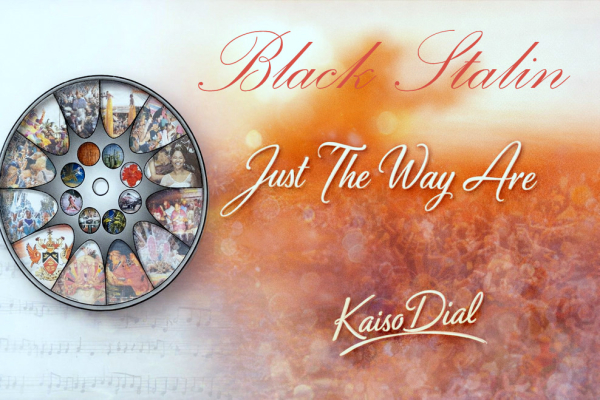
This post first appeared on Kaiso Dial, where Caribbean music meets wit, rhythm, and real talk. Island Vybe Radio spins the tunes—we decode the culture.
Calypso has always spoken to every corner of our lives—politics, humor, social truth, celebration—and today we’re shining a light on another side of the tradition: the love song. This genre is far more than Carnival fire; it holds tenderness too, stories of devotion, affection, and the quiet honesty of the heart.
From the album Just for You, this gem stands as one of Stalin’s most tender offerings—a man speaking straight from the heart, loving his woman fully, freely, and without reservation. No pretense, no performance, no demands. Just love… because she is who she is.
If we learn to love and live this way, there will be peace on earth. Today we have a world that often asks people to change. Stalin reminds us of something simple and deeply human: Real love sees you. Real love accepts you. Real love stays.
Such individuals are rare, much like this master lyrical teacher whose delivery is gentle yet assured, exuding an unmistakable warmth that defines him not only as a calypsonian but also as a storyteller of our everyday humanity. Calypso addressed everything, and today we choose to show that love songs are also part of the genre. “Just The Way You Are” is a reminder that affection doesn’t need decoration—sometimes the purest love is the kind that asks for nothing in return.
I have already said too much but rest assured that here on Kaiso Dial we know truth when we hear it and today, as we close, we know that this timeless message from a timeless voice needs to be heard and lived.
“Just The Way You Are” — Black Stalin’s quiet masterpiece of love without conditions. A timeless reminder that real love doesn’t ask you to change. It simply sees you… and stays.
Let us spread awareness of the Caribbean diaspora's culture.
? Share. Amplify. This is your Calypso Dial, where rhythm lives. Steelband and Calypso music pulse year-round, not only at Carnival. ?✨ Help elevate Caribbean music and culture—be a cultural ambassador and spread the word. ? Find us on Facebook and YouTube.. Please be aware that all of our posts are available online via social media platforms like Facebook, YouTube, Instagram, Spotify, and SoundCloud. We recommend exploring your favorite content on FeedSpot/RSS Feed, Threads, Bluesky, and Twitter/X, including email subscriptions. Thank you in advance.
Production Notes/Music Credits:
Song Title: Just The Way You Are
Singer: Leroy Caliste
Sobriquet: Black Stalin
Album: Just For You
Label: Charlie's Record - SCR1019
Release Year: 2009
Origin: Trinidad, Republic of Trinidad & Tobago
Genre: Calypso ?
We present the music here for your listening pleasure and promotional purposes only, adhering to the "Fair Use" Musical Content Copyright Disclaimer under Section 107 of the Copyright Act 1976. Sokah2Soca/Soca Music Blog © 1990 by Santiwah is licensed under CC BY-SA 4.0. To view a copy of this license, visit https://creativecommons.org/licenses/by-SA/4.0/.
♫ Please click the small triangle button in the music player below to listen now.
Published in
Blog
Saturday, 04 April 2026 23:22
Curse by Sheri Dan: A Seductive Groove Soca Hit for Crop Over 2026
Ananda/Sokah2Soca
Dive deeper into Caribbean music and culture at Sokah2Soca — your go-to source for Soca, Calypso, and Carnival coverage. First published on Sokah2Soca, now streaming live via Island Vybe Radio.
Crop Over drops are on the way, and we’re excited to feature “Curse” by Sheri Dan, produced by Kyle “DJ Ky” Walcott and Daniel “Harv” Harvey.
This one dives straight into the heart of a captivating, almost spellbinding relationship. Written by Sheridan Archer (Sheri Dan), the song plays on the idea of attraction so strong it feels like a curse… or maybe even a little Caribbean magic at work. And in this region, you never know—mother cornhusk might just be involved! ?
Sultry, smooth, and made for Groove Soca lovers, “Curse” brings that undeniable energy for Crop Over 2026. The lyrics highlight control, chemistry, and that magnetic pull between two people that words alone can’t explain—only rhythm can. Sheri Dan whispering in her victim's ears is intriguing indeed; it’s all about vibes, emotion, and movement. That waistline energy takes over as Sheri Dan leans into the groove, inviting listeners to feel every beat and live in the moment. And then comes the hook—a playful but telling reminder of a familiar Caribbean theme:
that irresistible charm, that undeniable pull… the kind that leaves you hooked under a “curse.”
? Our take:
We like this song… actually, we love it. Groove Soca is in full effect here, and Sheri Dan delivers a vibe that leaves you wanting more—more energy, more sweetness, more of that captivating tone. But here’s the thing… 2:13? Nah man… too short! Producers, we need to have a talk—when the vibe is hitting so nice, you can’t cut it short! Give us more!
Let us spread awareness of the culture of the Caribbean diaspora.
We do this to promote Caribbean culture, musicians, and music producers. We are able to honor and promote the rich sounds and stories of the Caribbean thanks to your support. Together, we can ensure that this rich cultural legacy reaches a wider audience and fosters creativity and connections. While it is important to always purchase music, you should avoid sharing promotional music because doing so denies essential revenue to songwriters, producers, and artists. You can find all of our posts online on social media platforms like Facebook, YouTube, Instagram, Spotify, and SoundCloud. We recommend that you explore your favorite content on FeedSpot/RSS Feed, Threads, Bluesky, and Twitter/X, including email subscriptions. Thank you in advance.
Production Notes/Music Credits:
Song Title: Curse
Artist/Performed by: Sheri Dan
Performed by: Sheri Dan
Written by Sheridan Archer
Produced by: Kyle "DJ Ky" Walcott & Daniel "Harv" Harvey
Mixed & Mastered by: DJ Ky
Origin: Barbados
Genre: Soca ?
?Listen. Share. Amplify. Our artists embody culture not only during Carnival but also on a daily basis. Sokah2Soca—Where Rhythm Lives and Calypso, Steelband Music, and Soca are thriving!
We present the music here for your listening pleasure and promotional purposes only, adhering to the "Fair Use" Musical Content Copyright Disclaimer under Section 107 of the Copyright Act 1976. Sokah2Soca/Soca Music Blog © 1990 by Santiwah is licensed under CC BY-SA 4.0. To view a copy of this license, visit https://creativecommons.org/licenses/by-sa/4.0/.
♫Please click the small triangle button in the music player below to listen now.
Published in
Blog